
New baby clothes
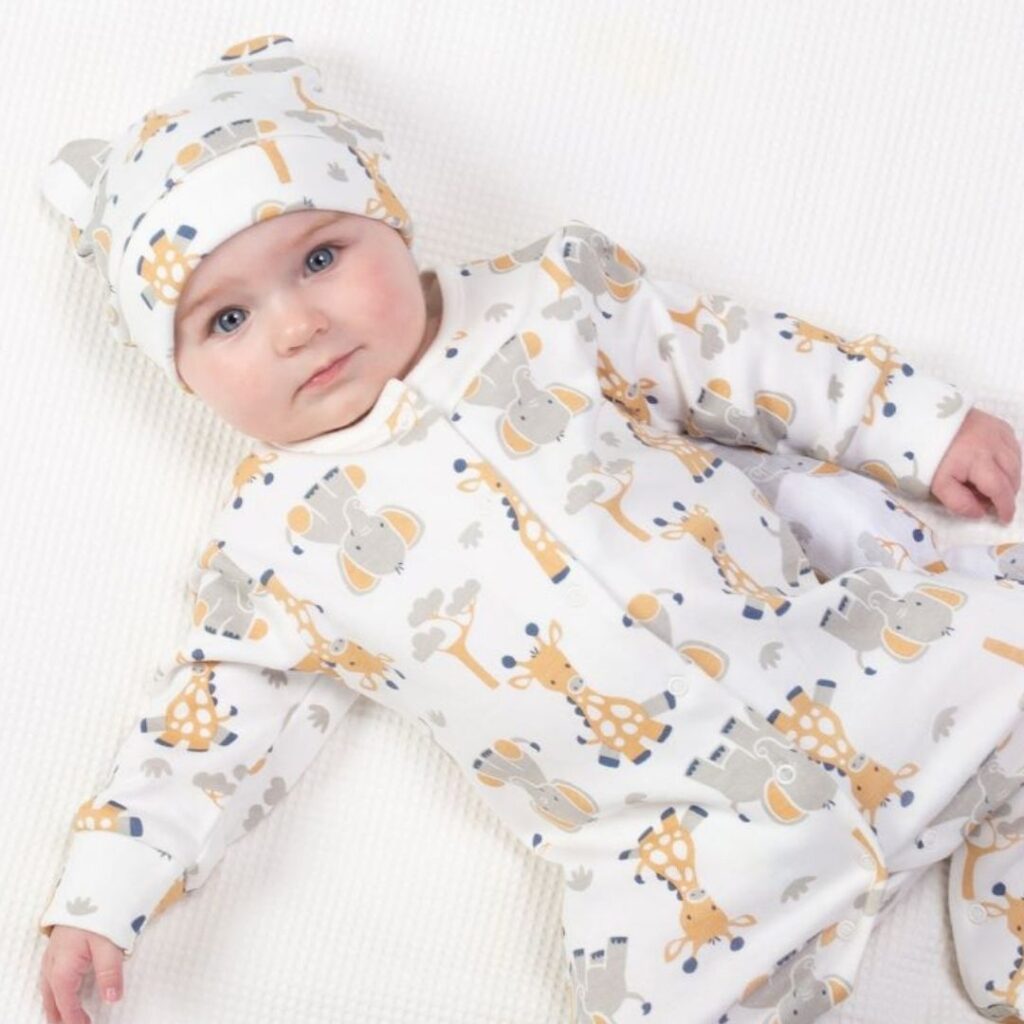
Parents know all too well that babies grow so fast, and what fits today will likely be too small in a few weeks. Despite that, buying new baby clothes is hard to resist. Cheap clothes from fast fashion retailers are often viewed as a smart purchase, as they won’t be needed for long. And those who can afford to, buy from more premium brands that promote a better quality or fabric. But what happens to all those lovely new baby clothes when you no longer want them?
Rise of second hand clothes
There’s been a huge move towards buying and selling second hand clothes. Platforms like Vinted has allowed for an easy way to share the details of any unwanted clothes, making it easy for others to purchase them. Buying second hand can be a great way to replace outgrown baby clothes. But in reality buying second hand baby clothes can be a bit hit or miss. You can sometimes get a great find. You can also receive clothes that are stretched, shrunk, stained, faded, bobbled and generally not in great shape.
Increase in charitable donations
For those who don’t have the time or are less inclined to spend their spare time, sorting through, photographing and uploading their items to marketplaces to sell, another way to get rid of unwanted clothing is by bagging them up and donating them to a local charity shop. Charitable donations are a convenient, guilt free way to offload unwanted clothing. Donations used as a way of justifying buying new clothing and doing good for the planet by donating them after use creates a problem.
Have charity shops become the new landfill dumps?
A recent article by the BBC highlighted that people were using charity shops like bins. The condition of the clothes donated not considered and those in poor condition impossible to sell; leaving charities with more costs to dispose of the clothes. Let’s face it, they can’t sell clothes that nobody wants.
Charity shops are not reprocessing centres. It’s not their job to mend, darn, repair clothes to get them in a suitable condition to sell.
So before you bag up that pile of worn out, bobbled baby clothes, for your local charity shop, ask yourself ‘is it truly a gift to charity – or just a way of getting rid of clothes you simply don’t want?’ Under the guise that ‘someone may want it’ – then ask yourself – would you?’
What happens to the clothes that charity shops can’t sell to the public
Charities make money from selling the clothing to recycling companies, but nowhere near as much as reselling good quality clothes. To put this into context, recyclers pay by the tonne, and this can be as little as £60 a tonne (1000 kilograms), that’s a lot of unsellable clothes to accumulate. Imagine how much more charities would raise if they could sell those clothes. Some charities have even paid for unsellable clothes to be taken away.
Where should you send unsellable clothes
The best place for unsellable clothing is recycling bins. Recycling companies will collect the clothes. Most used textiles are exported abroad for sorting and processing. A huge gap exists between the amount of textiles discarded and the amount recycled into new textiles, which globally is just 1%. Until the clothing industry scales up its use of Advanced Textile Sorting and Preprocessing facilities to process the sorting of textiles, removal of components and allocating for recycling into new textiles, the amount of clothing going to landfill will continue to increase.
Discarded second hand clothes
Second hand baby clothes discarded after use are likely to end up in landfill. A recent report by WRAP, Waste and Resources Action Programme, stated that the cost to recycling companies to collect and sort out unwanted textiles is 88 million and is so huge it’s resulting in a loss to those companies. The quality of used clothes and textiles has decreased. The lower the quality the less wanted the items are. This makes it unprofitable for the companies collecting and sorting the textiles. Unwanted clothes are a big problem for the UK circular economy.
There’s a modern way to get your baby clothes
Second hand shouldn’t be second rate, but most parents just don’t have the time to look after their baby’s clothes.

A stain often needs to be treated one or more times before it’s removed. And repairs take time. Realistically, if your baby isn’t going to wear the clothes again, you’re unlikely to bother cleaning or repairing the clothes. Soft fabrics can look pilled (bobbled) after wear but with some care and attention the clothes look as good as new and in excellent condition. That’s why we believe renting baby clothes is better than second hand. You can’t beat clothes that are clean, beautifully presented and in great condition.
Premium clothes
Other benefits include being able to rent premium baby clothes without paying retail prices. The clothes rented are high quality. Clothes maintained in optimum condition remain in circulation for longer and out of landfill.
Cleanliness
One of the big problems with buying second hand is cleanliness. Although charity shops ask you to give them clean clothes, they still receive clothes in all sort of conditions. There is no guarantee that the baby clothes you buy are clean. So then you have the hassle of washing the clothes first. Rental companies are meticulous in inspecting and cleaning their clothes.
So the next time you need a change of size for your baby’s clothes, give renting a try.
Can we fix this?
There is no quick fix to the problem of unwanted clothes ending up in landfill. Right now the infrastructure isn’t there in the UK to process the amount of clothing we discard. We can help by making sure our clothes are sent to the right place when we no longer need them.
All the options below support the circular economy to varying degrees.
- If you have the time, resell your good quality clothes via marketplaces and platforms such as Vinted
- Donate good quality clean clothes to charity shops
- Drop your unsellable clothes at recycle bins
- Rent to keep clothes in circulation for longer and out of landfill
With options a and b there’s no guarantee that the person purchasing your clothes will do the same and pass them on. They may just bin them, in which case they’ll end up in landfill.
Option c makes sure that unsellable clothes are sent to the right place, so they can be sorted. There’s a good chance they’ll end up in landfill albeit in an overseas location.
Option d, we think is the best way to keep clothes out of landfill and in circulation for longer. Try Qookeee.com to rent premium baby clothes for under twos. And if you register first you’ll receive a discount on your first order.